By 2030, UBC will reduce operational waste disposal by 50%, progressing towards a zero-waste community. Achieving zero waste plays a critical role in reducing greenhouse gas emissions while promoting responsible consumption and an efficient use of resources.
Image
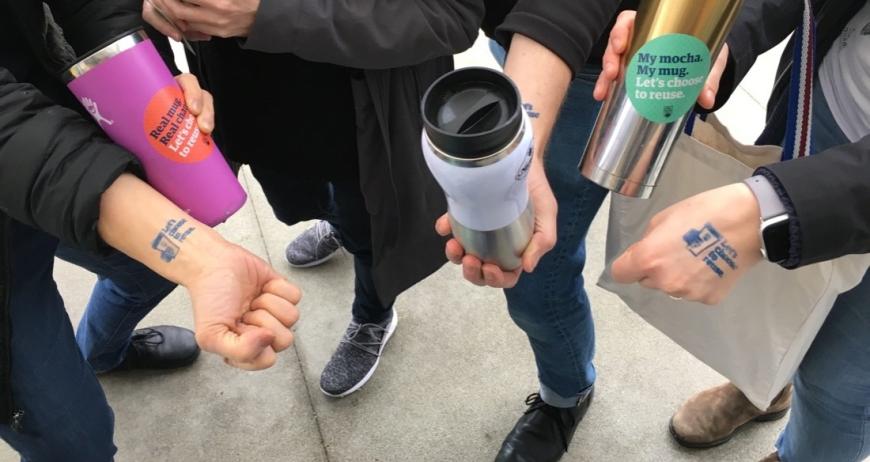
To meet the target’s of UBC’s Climate Action Plan 2030, UBC is prioritizing emission reductions from waste and expanding opportunities for circular economy, which include establishing a sustainable procurement process and reuse programs.
Since 2019, we've seen around a 10% reduction in operational waste disposal
Highlights of Zero Waste Action Plan
Image
| Develop a purchasing strategy and program that could require UBC vendors to meet sustainability criteria and packaging requirements. |
Image

| Rebuild UBC’s decommissioned composting facility with one that supports a broader range of acceptable materials including food, compostable food packaging, and green waste. |
Image

| Reduce waste generated by the campus community moving in and out at UBC residences by expanding reuse processes and programming to all applicable residences. One example is to provide low-cost reused items to incoming residents. |
Image
| Continue to roll out the Zero Waste Food Ware Strategy by supporting the transition to reusable food ware and drinkware at food outlets across campus. |
Image

| Expand reuse of furniture, electronics, research laboratory equipment and other items and materials. |