
Resources for Campus Community
UBC Vancouver is ditching single-use coffee cups and plastic food ware, and encouraging students, faculty and staff to choose reusable options such as their own mugs, water bottles and cutlery instead. Straws will still be available upon request for accessibility purposes.
Download UBC's Foodware Strategy
Below are some resources available to support the campus community in making these changes that help keep single-use items out of the landfill.
Resources for Food Retailers
The Zero Waste Food Ware Strategy applies to all food and beverage businesses operating on the UBC Vancouver Academic Campus. Businesses in the University Neighbourhoods Association (including Wesbrook Village) and University Endowment Lands are exempt. UBC continues to enforce fees for single-use containers because the campus is outside the City of Vancouver’s jurisdiction and therefore does not share the same governing by-laws. UBC food vendors are required to accept clean, reusable customer drink cups. Offering additional reusable options, such as in-house reusables and cup share programs, is strongly encouraged.
UBC is committed to helping vendors and businesses on campus transition towards zero-waste food and drink ware practices. The information and resources below may be helpful in implementing the Zero Waste Food Ware Strategy.
Frequently Asked Questions for Customers and Retailers
Does UBC collect the single use item fees?
UBC does not collect any of the single use item fees from non-UBC businesses. We encourage businesses to use revenue from single use item fees to offset any potentially increased costs associated with meeting other requirements in the Strategy, such as changing from plastic to compostable wood cutlery or implementing more reusable options for customers.
Is the single-use item fee included in the price of the product?
No, fees should be applied as a separate item from the product (e.g. the coffee and the cup).
As a business, how can I afford to pay for more expensive single use items?
If there are higher costs for specific items, these can potentially be covered by the single use item fees. In some cases businesses are already spending more for products that don’t align with UBC or regional systems, and switching can sometimes reduce the cost. For example, switching from compostable plastic drinking cups to recyclable drinking cups would typically reduce costs.
How do the single-use item fees relate to overall pricing for the customer?
The requirement in the Strategy is for the food and beverage businesses to price certain single use items (including cups and food containers) separately from the product (e.g., the coffee and food). The business can decide if and how to adjust overall pricing, they are not obligated by the Strategy to add the fee on top of existing prices. For example, if they currently charge $3.00 for a coffee in a single use cup, they could choose to now charge $2.75 for the coffee and $0.25 for the cup, for a total of $3.00.
Example of pricing within and outside UBC campus:
| Scenario | Coffee Price | Cup Fee (single-Use Item) | Total Cost to Customer | Notes |
| Outside UBC Campus | $3.00 | Included in Price | $3.00 | Cup cost is hidden inside the product price. |
| Within UBC Campus (example option) | $2.75 | $0.25 | $3.00 | Business lists the cup price separately but keeps the total the same. |
| Within UBC Campus (another possible option) | $3.00 | $0.25 | $3.25 | Business chooses to increase the total price—this is allowed but not required. |
How do I avoid the single-use item fees?
- To avoid paying the fee, customers can use a reusable alternative. Businesses are required to offer customers a reusable alternative:
- For drinks, they can accept clean customer reusable cups
- For food, they can offer at least one of the following:
- Accept customer reusables
- Provide in-house reusable foodware (i.e. china plates, bowls, etc.)
- Container share programs
How does UBC's strategy relate to the City of Vancouver's policies?
UBC's Zero Waste Food Ware Strategy applies to all food and beverage businesses and outlets on the UBC Vancouver academic campus, including catering businesses. It is important to note that UBC’s Vancouver campus is outside the City of Vancouver’s jurisdiction and therefore does not share the same governing by-laws. Although the City voted to repeal their 25 cent cup fee as of May 1 2023, UBC continues to follow its own policies outlined in the Zero Waste Food Ware Strategy.
What about off-campus catering – does the strategy apply?
The strategy and standards apply to catering operations on the academic campus. Event organizers are encouraged to use on-campus catering, and if not, to request or encourage off-campus caterers to conform to the procurement guidelines.
What is considered a compostable item?
Compostable means something that can be fully composted in UBC systems or regional composting facilities. Items that are accepted for composting at UBC:
- Plain, uncoated paper products such as paper bags, paper towels, napkins and paper plates.
- Plain wood or bamboo chopsticks and cutlery.
- Plant fibre-based (e.g., paper, wood or bamboo) products that have a coating for moisture and grease resistance, and are certified compostable.
Certified compostable means certified to BPI or CCME/BNQ (see logos below) or other recognized compostable standards including ASTM D6400 or ASTM D6868. Some products use the term “biodegradable”. This does not necessarily mean compostable – check to see that a product is certified under a recognized standard as shown below.
Image

| Image
|
At UBC, fibre-based items such as paper food bowls that have a moisture protective layer and are certified compostable are accepted. Look for the compostability certifications above. If you see a recycling logo instead, the product is probably not compostable.
Why are some plastics items are labeled as biodegradable and compostable?
Despite many manufacturers' marketing, solid plastic items such as cups, cutlery and containers made of plastic that is certified compostable (such as PLA), or labelled as “biodegradable” or “plant based”, do not fully compost in most regional composting systems. Also, these items are not easily distinguishable from regular recyclable plastic by either consumers and compost facility operators, and are considered contaminants. In most BC jurisdictions including Vancouver and UBC, these plastics are not considered acceptable in food scraps/composting green bins.
Please see below for a video overview on which types of single use items and materials should be used at UBC.
Single Use Item Requirements and Guidelines
As UBC continues to work towards its bold climate action goals, the Zero Waste Food Ware Strategy is broadening its scope.
The following sections provide the specific requirements for single use items, including fees, acceptable types of products, and recommended actions and practices for businesses at the UBC Vancouver academic campus.
UBC’s goal and expectation is for all businesses including food outlets and on-campus catering to fully align with these guidelines as of January 2023, with exceptions noted.
Hot Drink Cups, Lids and Stir Sticks
Fees and Requirements
Required minimum fee of $0.25 per cup, charged separately from the product (e.g. $2.00 for coffee, additional $0.25 for a single use cup).
No self-serve cups or lids. Customers should always be asked if they want to purchase a single use cup and lid.
Clearly communicate fee to customers via signage and staff training.
Businesses will be required to accept clean, reusable customer drink cups.
Acceptable Items
Image
| Image
| Image
|
| Recyclable plastic lid (#1, #2, and #5) | Paper cup with plastic lining | Plain wood sticks |
- Select white or natural paper cups with minimal dyes and inks to maximize recyclability.
At UBC, cups and drink containers go in the Recyclable Containers bins for recycling. Typical coffee cups are made of paper with a plastic lining. Any compostable cups placed in those bins will contaminate the recycling and not be composted.
For lids, preferred plastic type for recyclability is #1 (PET or PETE), followed by #5 (PP) and #2 (HDPE). Types #3 (PVC), #6 (PS) and #7 (OTHER) should be avoided.1
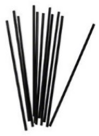
Plastic stir sticks are not accepted.2 Compostable wood or plant fibre-based stir-sticks are in wide use and accepted.
Avoid synthetic, non-compostable tea bags, and tea bags wrapped in plastic.*
Not Accepted
Image
| Image
|
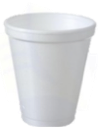
| Foam cups | Plastic stir sticks |
Exemptions
- Single use items including cups provided at private or ticketed events (i.e. sports events and concerts), or that are provided with free drinks or meals, are exempt from the requirement to charge fees.
Recommended actions to reduce single use items
- Increase fee beyond minimum, and/or combine the fee with a reusable cup discount (e.g., $0.25 fee plus additional discount for bring your own mug).
- Encourage more in-house consumption using reusable (e.g., ceramic) cups.
- Offer reusable cups for sale.
- Participate in a cup sharing program or implement an in-house cup return program
- Offer express line, priority or loyalty cards for customers with reusable mugs.
1PVC, PS, as well as biodegradable and compostable plastic lids are banned under provincial regulations effective December 20, 2023.
2Single-Use stir sticks made of any plastic are banned under the Federal Single-Use Plastics Prohibition Regulations, effective December 20, 2023
Cold Drink Cups and Lids
Fees and Requirements
Required minimum fee of $0.25 per cup for both hot and cold drinks.
Fee must be charged separately from the product. For example, $2.00 for the drink, additional $0.25 for a single use cup.
No self-serve cups or lids. Customers should always be asked if they want to purchase a single use cup and lid.
Clearly communicate fee to customers via signage and staff training.
Businesses will be required to accept clean, reusable customer drink cups.
Acceptable Items
Image
| Image
|
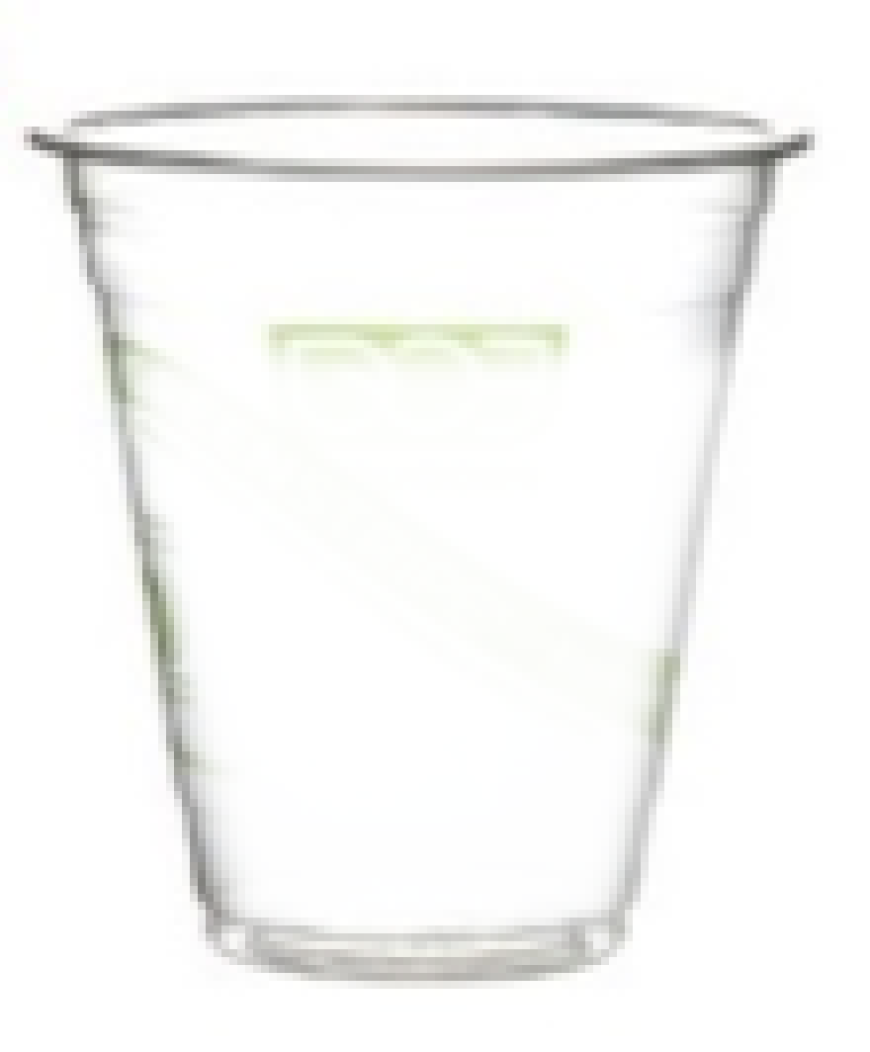
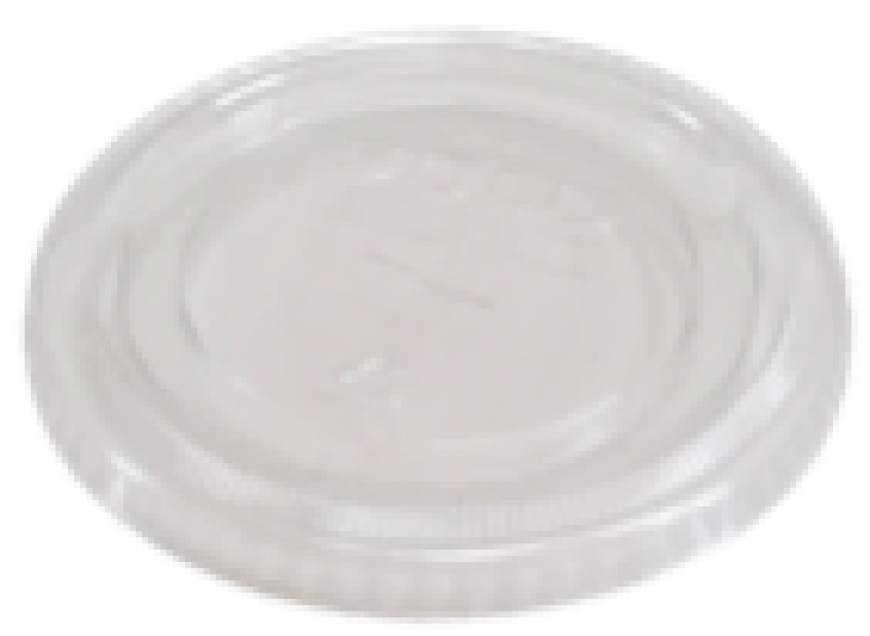
| Recyclable plastic cup (#1, #2 and #5) | Recyclable plastic lid (#1, #2 and #5) |
- Preferred plastic type for recyclability is #1 (PET or PETE), followed by #5 (PP) and #2 (HDPE). Types #3 (PVC), #6 (PS) and #7 (OTHER) should be avoided.1
- At UBC, cups and drink containers go in the Recyclable Containers bins, so compostable cups will be sent to the recycling facility and cause contamination, rather than composted.
Not Accepted
Image
| Image
|
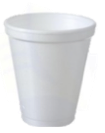
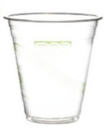
| Foam cups (#6) | Non-recycleable plastic cups (#7) |
Exemptions
- Single use items including cups provided at private or ticketed events (i.e. sports events and concerts), or that are provided with free drinks or meals, are exempt from the requirement to charge fees.
Recommended actions to reduce single use items
- Increase fee beyond minimum, and/or combine the fee with a reusable cup discount (e.g., $0.25 fee plus additional discount for bring your own cup).
- Encourage more in-house consumption using reusable cups.
- Offer reusable cups for sale.
- Participate in a cup sharing program or implement an in-house cup return program
- Offer express line, priority or loyalty cards for customers with reusable cups.
1PVC, PS, as well as biodegradable and compostable plastic cups and lids are banned under provincial regulations effective July 14, 2025.
Straws
Fees and Requirements
No fees required.
Straws given out by request only.
No plastic straws, except bendable straws for accessibility purposes.
| Acceptable Items | Not Accepted |
|---|---|
Image
| Image

|
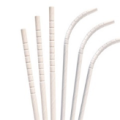
| Paper or cardboard straws | Plastic straws |
- Plastic straws are not readily recyclable, can contaminate food scraps composting, and escape into the environment causing ocean pollution, and therefore should be avoided.1
- Proven alternatives are available and have been in use on UBC campus since summer 2018.
- Use paper or cardboard straws that are PFAS-free wherever possible.2
Exemptions
- Bendable straws (plastic if necessary) to be provided to customers who need them as an adaptive aid for accessibility.
Recommended actions to reduce single use items
- Do not offer straws of any kind unless for accessibility reasons.
- Reusable options such as silicone, glass, or metal may also be sold.
1Single-use plastic straws are banned under federal regulations, effective December 20, 2023. Bendable plastic straws can be provided to customers in accessibility circumstances.
2Per- and Polyfluoroalkyl Substances are a group of persistent chemicals with potential adverse health effects.
Cutlery and Chopsticks
Fees and Requirements
No fees required.
Provided by-request only, no self-serve.
Fibre compostable only, no plastic.
| Acceptable Items | Not Accepted |
|---|---|
Image
| Image
|
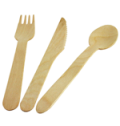
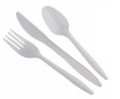
| Compostable wood or plant fibre-based | Plastic (including recyclable, compostable, biodegradable, and PLA) |
- Plastic cutlery is one of the most common contaminants in food scraps composting, causing food scraps to be sent to the landfill and creating plastic contamination in compost that is used for landscaping and gardening, and therefore should be avoided.1
- Avoid plastic wrapped cutlery and chopsticks.
- Individual cutlery (e.g. a fork or spoon) must be provided based on customer request, not bundled with other cutlery or eating utensils.2
- Compostable wood and bamboo cutlery have been in wide use at UBC since summer 2018.
- Compostable and biodegradable plastic cutlery are not able to be composted by UBC and many regional facilities, and are not recyclable.1
Exemptions
- None at this time.
Recommended actions to reduce single use items
- Offer reusable cutlery for in-house use where possible.
- Offer reusable cutlery for sale.
1Single-use plastic cutlery (including biodegradable or compostable alternatives) is banned under federal regulations effective December 20, 2023.
2Cutlery must be distributed individually, based on the request, not bundled or packaged with other food-service accessories under provincial regulations effective December 20, 2023.
Food Containers, Plates and Bowls
Fees and Requirements
Required minimum fee of $0.50 for single use food containers such as clamshells and bowls.
Fee must be charged separately from the product. For example, $6.00 for the food, additional $0.50 for a single use container.
Clearly communicate fee to customers via signage and staff training.
Compostable fibre only, unless there are no alternatives
Businesses are be required to provide at least one of the following reusable alternatives:
accept clean customer reusable food containers
offer in-house reusable food ware (e.g. ceramic plates, bowls etc.)
offer reusable food container share programs, either in-house or through an external service provider.
Acceptable Items
Image
| Image
| Image
|
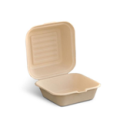
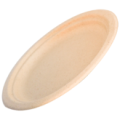
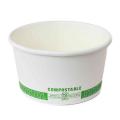
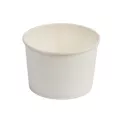
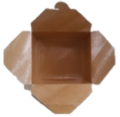
| Plain paper/fibre | Certified compostable paper/fibre with coating |
Not Accepted
Image
| Image
Image
| Image
| Image
|
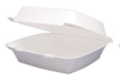
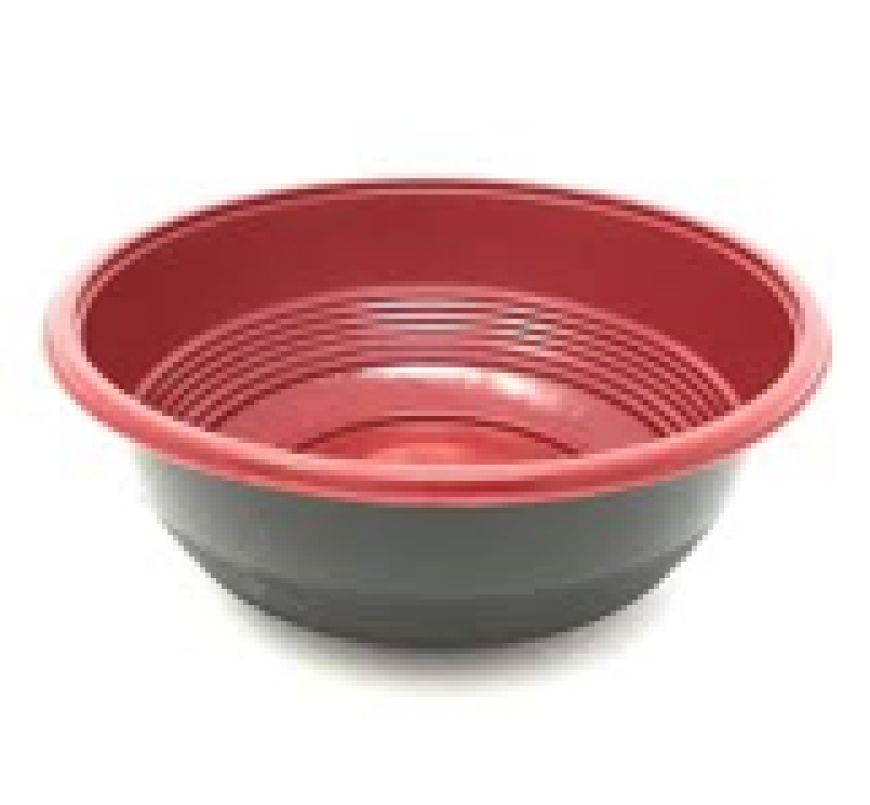
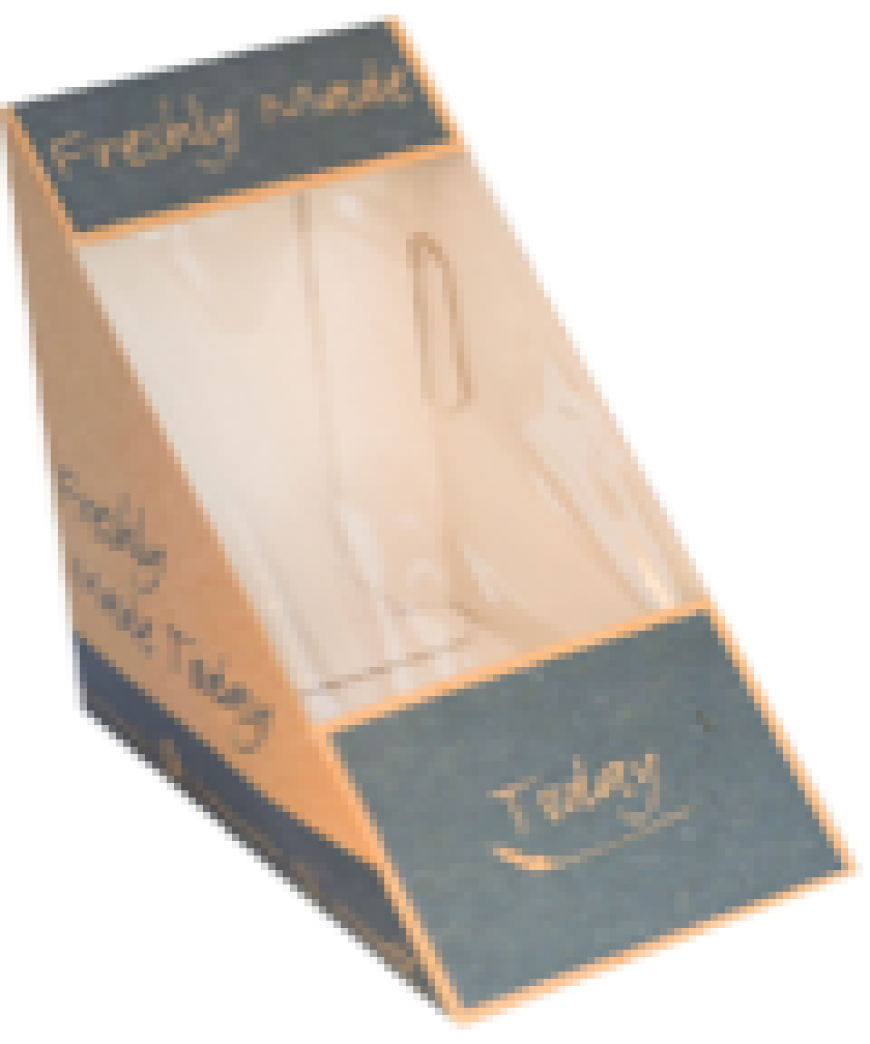
| Foam | Plastic-coated containers (unless certified compostable) | Plastic containers | Containers with plastic windows |
- Compostable containers, plates and bowls made of plant fibre (e.g., paper and cardboard), uncoated or with compostable plastic coatings for water and grease resistance, are acceptable and readily available. If coated, they must be certified compostable.2
- Choose natural or white, avoid coloured paper and fibre due to the dyes and ink.
- For pre-packaged food items or bowl lids made of plastic:
- Preferred plastic type for recyclability is #1 (PET or PETE), followed by #5 (PP) and #2 (HDPE). Avoid types #3 (PVC), #6 (PS) and #7 (OTHER).1
- Preferred plastic types for recyclability are #1, #5 and #2; types #6, #7 and black plastic should be avoided.
- Do not use compostable or biodegradable solid plastic.2
- For pizza boxes, avoid any plastic inserts and ensure liners are certified compostable.
- UBC food vendors are to follow applicable health and safety guidelines in accepting reusable cups and containers. Find more information on BC policies here.
Exemptions
- Food container fees are applicable to single use food containers for main entrees or meals such as clamshells and bowls, not including small containers for condiments etc., and not including pizza boxes.
- Prepackaged food items are exempt from the container fee.
- Single use items including food containers provided at private or ticketed events (i.e. sports events and concerts), or that are provided with free drinks or meals, are exempt from the fees.
Recommended Actions to Reduce Single Use Items
- Early adoption of reusable food ware alternatives such as refilling customer containers, in-house reusable food ware and reusable food container share programs.
- Reusable trays/plates, or paper plates for serving pizza instead of boxes.
1Food service ware (bowls, plates, hinged containers, trays, etc.) with PS, PVC, carbon-black or oxo-degradable plastics are banned under federal regulations effective December 20, 2023.
2Rigid compostable or biodegradable plastic food ware are banned under provincial regulations effective July 15, 2024. However, containers coated with compostable plastic lining (i.e. PLA) are allowed.
Wrappers
Fees and Requirements
There are currently no fees and changes for 2025 at this time.
Item Guidelines
| Acceptable Items | Not Accepted |
|---|---|
Image
| Image

Image
|
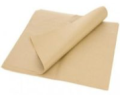
| Plain, uncoated paper or certified compostable paper. | Paper with plastic coating, plastic wrappers and foil. |
- If paper is coated for grease or liquid resistance, it must be certified compostable.
- Natural colour is preferred, so that it looks different than most conventional plastic coated paper.
- Use plain paper sleeves or small paper bags instead of plastic wrap if feasible.
- Avoid products containing PFAS (more information here). Note that certified compostable products are generally PFAS-free.
Exemptions
- Plastic or foil may be used in cases where there is no compostable alternative that is available.
Recommended actions to reduce single use items
- Serve food on a reusable plate rather than wrapping, if possible.
Bags
Fees and Requirements
Required minimum fee of $0.25 per single-use carry bag.
By request only: customers should always be asked if they want to purchase a single use carry bag.
Clearly communicate fee to customers via signage and staff training.
No plastic bags.
Required minimum fee of $2.00 for reusable carry bags.2
Paper bags must be comprised of at least 40% recycled content.2
Item Guidelines
| Acceptable Items | Not Accepted |
|---|---|
Image
| Image
Image

|
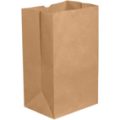
| Paper bags | Plastic bags (including compostable or biodegradable) and paper bags with plastic windows. |
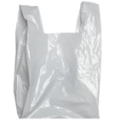
- Plastic bags escape into the environment easily, are a major source of ocean pollution, and are a major contaminant in food scraps composting, and therefore are not accepted on campus.1
Exemptions
- Small bags for individual items such as pastries or cookies do not require a fee.
Recommended actions to reduce single use items
- Offer branded, reusable bags for sale.
- Offer a reusable bag exchange program.
1Plastic checkout bags are banned under federal regulations effective December 20, 2023.
2Bags must be either recycled paper bags (with minimum 40% recycled content), or reusable bags. Reusable bags must have a minimum fee of at least $2, according to provincial regulations effective July 15 2024.
Requirements for Recycling
In addition to the Zero Waste Food Ware Strategy, there are a number of recycling requirements in place that businesses on campus must adhere to. These guidelines are applicable to all businesses with waste collection by UBC Waste Management (Point Grey campus), though they may be used as a guideline for other areas.
Food and beverage vendors on campus create waste materials that enter UBC’s waste management system. With the right recycling bins, signage and training, nearly all of these materials can be recycled and diverted from the landfill, helping UBC achieve its climate action goal of 50% waste reduction by 2030.
Recycling Bin Set-Up
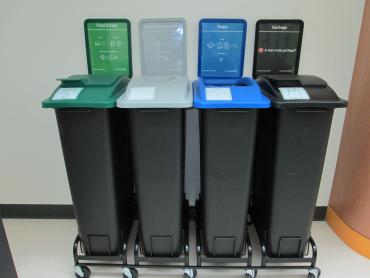
Recycling bins are applicable if customer purchases are generating waste at your location and a UBC recycling station is not provided. Standard bins are Food Scraps, Recyclable Containers, Paper, Garbage. Set up bins as appropriate for your sales; for example, a food outlet with seating would include Food Scraps, Recyclable Containers, and Garbage at minimum.
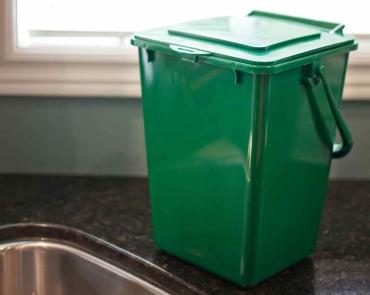
For any non-public facing areas that produce only very small amounts of food scraps, another option is a small compost pail such as the Busch KC2000, which may be used with paper bin liners such as Bag to Earth small food waste bin liners, or Bin Fresh kitchen bin liners.
Image
| Image
|
| Waste Watcher Bins 30" 23 Gal | Busch KC2000 Kitchen Composter |
Recycling Signage
It is essential to have correct signage attached to the bins to support accurate waste sorting. In addition to signs on the bins, Sorting Guides and “No Plastics in Food Scraps” signs near bins can support proper waste sorting.
Official UBC Sort-it-Out signage and posters can be found here.
Bags for Recycling Bins
Based on experience, using corresponding transparent/coloured bags for recycling bins facilitates easier sorting. Refer to the table below for recommended bag types.
| Green Bin (food scraps) | Grey Bin (recyclable containers) | Blue Bin (paper) | Black Bin (garbage) | |
| Recommended Bag Colour* | Translucent green bag** | Transparent bag | Translucent blue bag | Black bag |
| Example of Bag Product Code | 2971-07 | 2961-50 | 2971-08 | 2671-01 |
*Black bags are not to be used for collection of recycling (clear are acceptable).
**Plastic bags of any kind including compostable plastic bags are not allowed in the food scraps (green) carts; bags must be emptied into green carts. Paper-based bin liners are acceptable if available for your bin type.
Staff Procedures and Training
For staff whose responsibilities include waste:
- Review the following resources to familiarize yourself with proper waste sorting knowledge:
- Food scraps are to be emptied into green carts, without a plastic bag. If used, plastic bags must be disposed in garbage, as plastics of any kind are not permitted in green carts.
- For all four streams, the materials from each bin must be kept separate and emptied into the appropriate container in the building recycling area.
- E.g. green, grey or blue carts, blue dumpsters (garbage) or green dumpsters (cardboard)
- Consult the Recyclepedia if you are unsure of how to sort an item.
For front line staff:
- Front line staff must communicate any fees for single use items to each customer before providing the single use item - for example, asking if the customer would like to buy a single use cup, prior to providing one.
Specialty Recycling
If your business produces waste materials that do not fall within the four main streams plus cardboard, consult the Sort-it-Out web page here for more information on recycling options.
Contacts
Strategy development and policy:
Bud Fraser, Senior Planning and Sustainability Engineer
Tel: (604) 822-1501
Email: bud.fraser@ubc.ca
Support for businesses regarding single use items and recycling (including posters and tent cards):
Zero Waste Coordinator
Email: zerowaste.coordinator@ubc.ca